

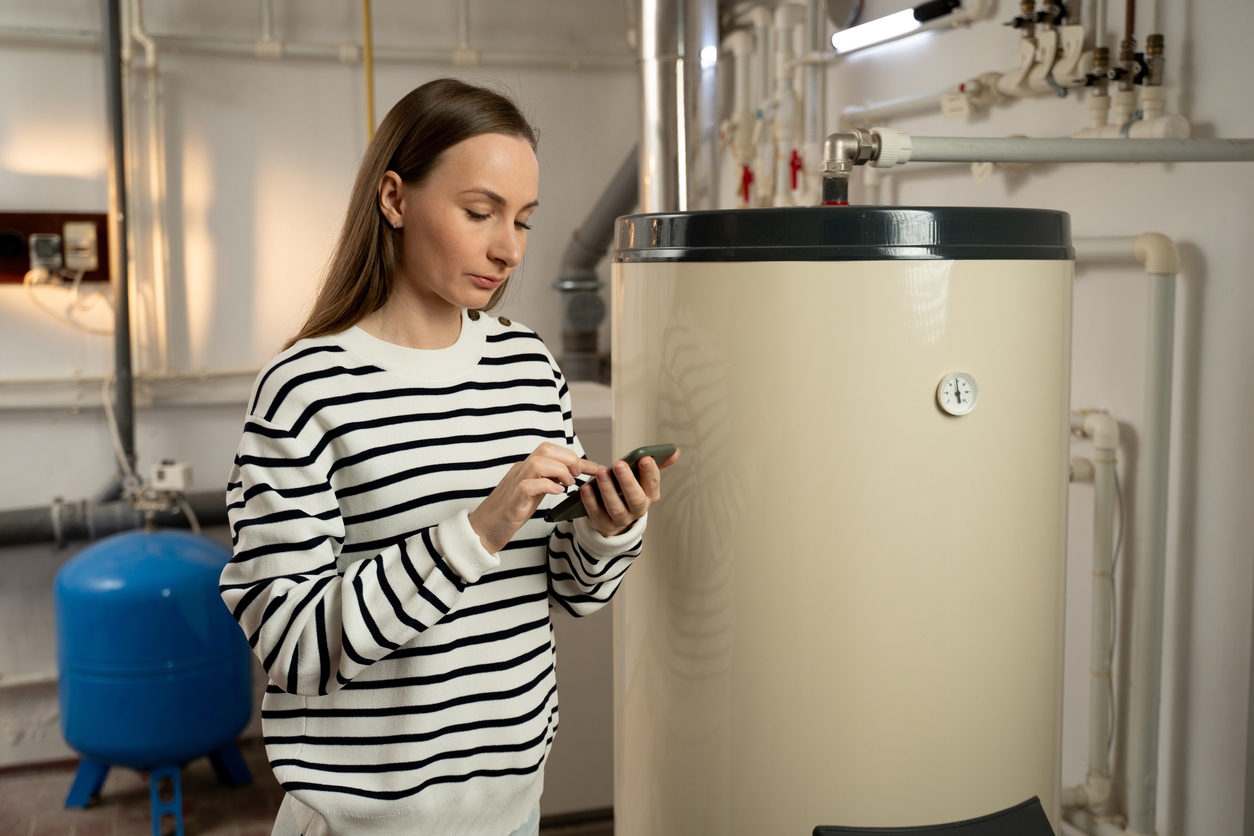
A water heater is easy to ignore until it starts talking back. In inland Ventura County communities like Camarillo and Simi Valley, where the water runs hard, tanks tend to get vocal sooner than most homeowners expect.
Popping, rumbling, or banging from the unit is rarely nothing. Those sounds usually trace back to sediment, pressure, or a part that’s wearing out, and each one points to a different fix.
The TL;DR On Water Heater Noises
The short version of what each sound tends to signal:
- Popping or rumbling: Sediment settled at the bottom of the tank
- Banging or hammering: A pressure problem in the tank or supply lines
- Screeching or whistling: A restricted valve or a relief valve venting
- Ticking or tapping: Routine expansion, and usually harmless
- A new or worsening sound: A reason to book a professional inspection
What Your Water Heater's Noises Are Telling You
Most water heaters hum along quietly. When that changes, the sound itself is a clue. A steady pop is a different problem than a sharp bang, and the difference tells a plumber where to look first. Let’s go over the common noises, what tends to cause each one, and how worried you should be.
Popping and Rumbling Usually Point to Sediment
Popping and rumbling are the most common water heater sounds, and they almost always stem from sediment. Minerals in the water, mostly calcium and magnesium, settle at the bottom of the tank and harden into a crusty layer over time.
The U.S. Geological Survey confirms hard water leaves mineral deposits inside water heaters, and a thicker layer means a louder tank. That layer traps water against the burner, so the heater runs longer and works harder to reach temperature. Left alone, sediment lowers efficiency and can shorten the life of the tank.
Where the Popping Comes From
The pop comes from water trapped under the sediment. As the burner heats the tank, that water boils and forces steam bubbles up through the hardened layer. Each bubble breaking through makes the popping or crackling you hear.
The noise itself isn’t dangerous, but it is a clear sign that sediment has built up enough to need clearing. A licensed plumber can flush the tank to remove the buildup and quiet the unit.
Banging Usually Signals a Pressure Problem
When you hear your hot water heater banging, the cause is usually pressure, not sediment. Two culprits come up most often:
- Water hammer: A pressure surge that travels through the pipes when a valve or appliance shuts off quickly, hitting a bend or loose section with a bang.
- Thermal expansion: Heated water with nowhere to go in a closed system, pushing against the tank and lines.
Either way, a plumber can measure your water pressure and check whether an expansion tank is doing its job.
Screeching, Ticking, and Other Sounds
Not every noise means trouble. Here’s what the lighter sounds usually mean:
- Screech or whistle: Water is being forced through a valve that’s restricted or partly closed.
- High whistle: Sometimes a result of the temperature and pressure relief valve venting, which a plumber should inspect promptly.
- Ticking or tapping: Usually a symptom of pipes and fittings expanding and contracting as hot water moves through, and rarely a real problem.
Which Water Heater Noises Are Urgent?
Most sounds can wait a day or two for a scheduled visit. The ones that cannot are tied to heat and pressure. Call promptly if you notice either of these:
- Rumbling with a hissing or dripping relief valve: A sign that temperature or pressure may be climbing too high.
- Any noise paired with a leaking tank: A combination that can escalate quickly.
The temperature and pressure relief valve is the water heater's key safety device—it opens to release water when temperature or pressure climbs past safe levels. According to InterNACHI's guidance on relief valves, a valve that’s blocked or failing is a genuine hazard because the pressure inside the tank has no safe way out.
How to Fix a Faulty Relief Valve
A blocked or faulty relief valve gets replaced, since it’s a sealed safety part and a low-cost one. This is a job for a licensed plumber, not a homeowner. The tank has to be depressurized and drained around scalding water, and the replacement valve must match the heater's temperature and pressure ratings to work safely.
A plumber should also check what pushed the valve past its limit, such as high water pressure or a thermostat set too hot, to make sure the problem doesn’t return.
Tankless Water Heaters Make Noise Too
Tankless units don’t collect sediment the way tanks do, but they’re not silent either. Mineral scale builds up inside the heat exchanger, and that buildup can cause rumbling, clicking, or reduced hot water flow.
Regular descaling keeps the passages clear and the unit running smoothly. If you own a tankless model, our guide on how often a tankless water heater should be flushed walks you through a sensible schedule.
Flush, Repair, or Replace?
The right response depends on the cause and the age of the unit. Three paths cover most situations:
- Flush: When sediment is behind the noise and the tank is otherwise sound, a professional flush is often all it takes.
- Repair: When a specific part is failing, such as a heating element or valve, a targeted repair can restore quiet operation.
- Replace: When the unit is near the end of its service life, a new heater is usually the smarter call.
Most storage tanks last about 10 to 15 years, so a loud one in that range deserves a hard look. Our breakdown of when to repair versus replace a water heater can help you weigh the numbers. If a new unit is the answer, our guide to choosing the right water heater covers your options.
The Bottom Line on a Noisy Water Heater
A water heater that pops, rumbles, or bangs is asking for attention. Most of the time, the fix is straightforward once a plumber identifies the source, whether that means a flush, a repair, or a replacement. Catching it early keeps a minor annoyance from turning into a cold shower or a flooded floor.
Schedule Water Heater Service with Rooter Solutions in Santa Barbara & Ventura County
A professional flush often fixes a noisy tank, and when it doesn't, our licensed plumbers will tell you what does. We offer free estimates, financing, and 24/7 emergency service.
Call Rooter Solutions today at (805) 203-8111 or send us a message to schedule your service.

 805-203-8111
  Leave a Review