
Table of Contents

Consider It Solved
Table of Contents
Most water line leaks don’t announce themselves with a dramatic burst. They start quietly: a soft spot in the yard, a water bill that creeps up for no reason, or a faint hissing you can’t quite place. For homeowners across Santa Barbara and Ventura County, these subtle clues are easy to brush off, especially in older homes where quirky plumbing feels normal.
If your water line is leaking underground, catching it early means less damage to your home, your foundation, and your wallet. Here’s how to spot the warning signs and what an experienced plumber does to track down the source with minimal disruption.
At a Glance
Here are the key takeaways before we dive in:
- Unexpected bill spikes: A rising water bill with no change in usage is often the first sign of a water line leak.
- Yard clues: Wet patches, soft spots, or unusually green strips of grass can point to an underground leak.
- Pressure drops: A gradual loss of water pressure throughout the house may mean your main line is compromised.
- Professional detection matters: Acoustic sensors and pressure testing let plumbers pinpoint leaks without digging up your yard.
- Early action saves money: Catching a water line leak before it spreads can prevent foundation damage, mold, and costly landscape repairs.
What a Water Line Leak Looks Like
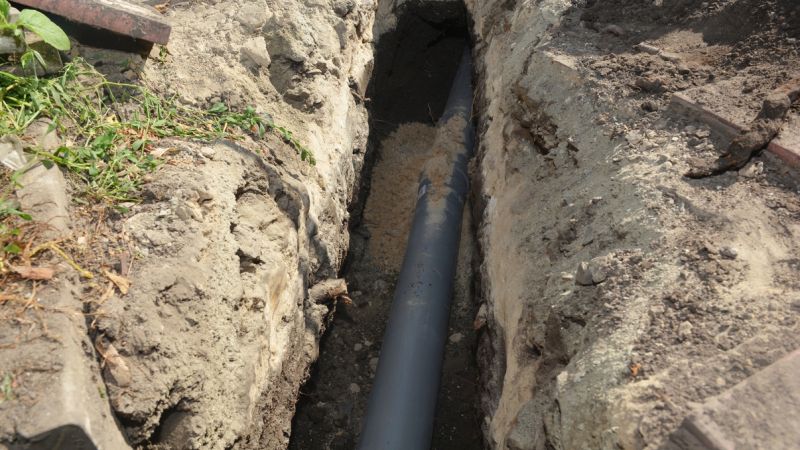
Your main water line runs underground from the city’s connection to your home. Because it’s buried, leaks along this line don’t show up like a dripping faucet. Instead, you’ll notice indirect signs that something is off.
Signs Inside Your Home
These are the clues you’re most likely to catch first:
- Water bill spikes: If your bill has jumped over the past month or two and your usage hasn’t changed, water is going somewhere it shouldn’t. The EPA estimates that household leaks waste nearly 1 trillion gallons of water nationwide each year.
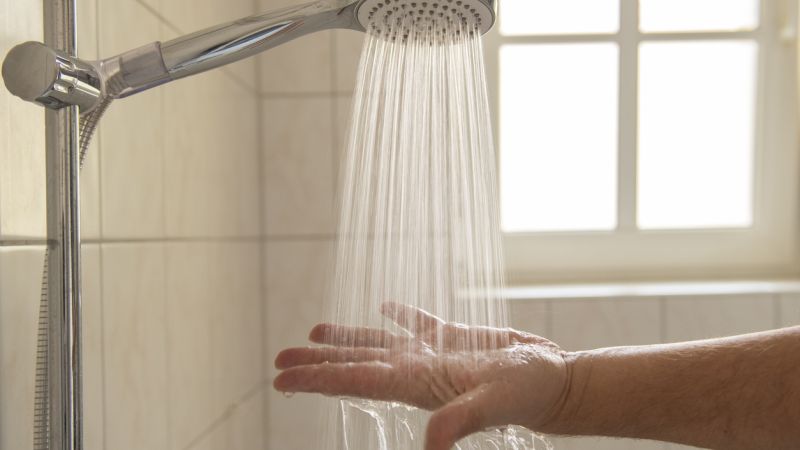
- Low or fluctuating water pressure: A slow, steady drop in pressure throughout the house, not just at one fixture, often points to a breach in the main supply line.
- Discolored water after a shutoff: If the water runs brown or cloudy after you’ve had the main shut off and turned back on, sediment may be entering through a crack in the line.
Signs Outside Your Home
Your yard can tell you a lot about what’s happening underground:
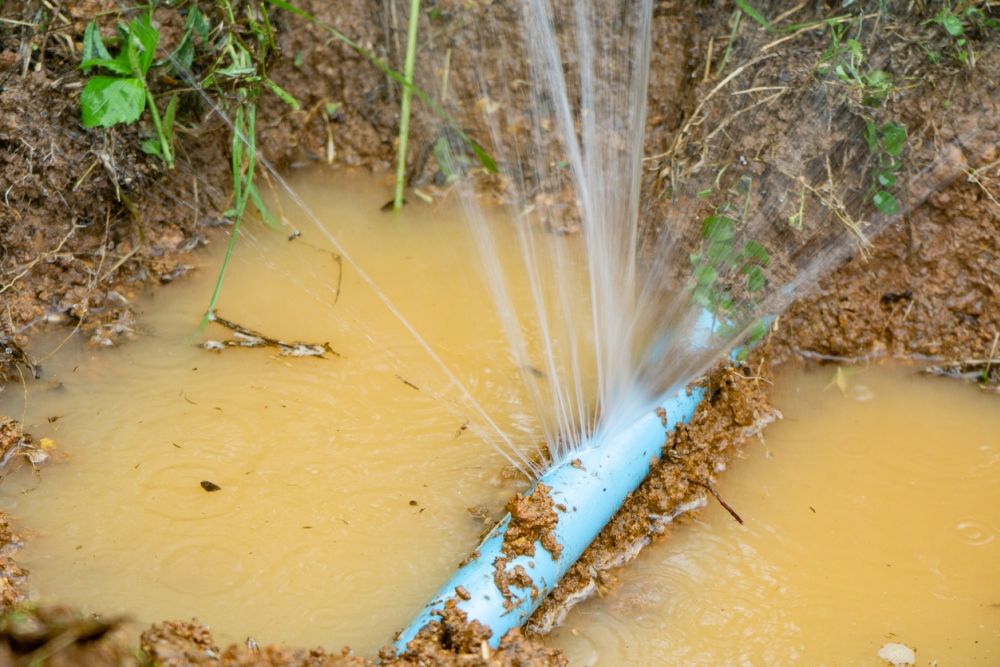
- Wet or soggy patches in the yard: Persistent damp spots that appear even when it hasn’t rained, particularly along the path between the street and your house, are among the most reliable clues.
- Cracks in the driveway or walkway: Water seeping under hardscaping can erode the base layer over time, causing shifts and surface cracks.
- Unusually lush patches of grass: A strip of grass that’s greener or taller than the rest of the lawn is often feeding on water from a leaking line below.
- Sound of running water when nothing is on: Turn off everything in the house and step outside. A faint hissing or rushing sound near the ground can indicate pressurized water escaping the line.
Why Underground Water Line Leaks Are Easy to Miss
It’s not that homeowners ignore the signs; it’s that the signs don’t look like plumbing problems at first. A higher water bill gets blamed on summer irrigation. A damp patch in the yard seems like runoff. Low pressure feels like a city issue.
In Santa Barbara and Ventura County, a few local factors make water line leaks especially hard to spot:
- Older pipe materials: Many homes built before the 1970s still have galvanized steel or cast iron water lines that corrode from the inside out over decades
- Root intrusion: Mature trees and deep-rooted landscaping, common across the region, can press against or grow into aging water lines
- Soil movement: Clay-heavy soils expand and contract with seasonal moisture changes, putting stress on buried pipes year after year
By the time you notice standing water or foundation cracks, the leak has usually been active for a while. The earlier, subtler signs are the ones worth paying attention to.
How Plumbers Find Underground Water Line Leaks
If the signs above sound familiar, the next step is to confirm the leak and pinpoint exactly where it is. Here’s how Rooter Solutions approaches underground water line leak detection in Santa Barbara and Ventura Counties:
- Pressure test: We isolate your water line and run a pressure test to confirm whether the line is holding or losing pressure. This tells us quickly whether a leak exists
- Acoustic detection: Specialized listening equipment picks up the sound of water escaping from the underground pipe. This is one of the most effective ways to narrow down the location without digging
- Camera inspection: When the line and conditions allow, a camera inspection gives us a direct look inside the pipe to identify cracks, corrosion, or joint failures
- Locate and assess: Once we’ve pinpointed the source, we evaluate the condition of the rest of the line to recommend either a targeted repair or a full replacement, depending on the pipe’s age and overall condition
That way, we’re only digging where we need to, and your yard stays intact.
Should You Repair or Replace a Leaking Water Line?
Not every water line leak requires a whole new line. Here’s how we help homeowners decide:
Repair typically makes sense when the damage is limited:
- Single leak point: The break is isolated to one spot on the line
- Sound pipe material: The rest of the line is in good structural shape
- Newer line: The pipe was installed within the last 20 to 30 years
Replacement is usually the better call when the problems run deeper:
- Heavy corrosion: The pipe is galvanized steel or is showing multiple failure points
- Recurring leaks: You’ve dealt with more than one leak in a short timeframe
- Original plumbing: The line is original to a home built before the 1970s
If a full replacement is needed, we coordinate the work to minimize disruption to your yard and daily routine. And if your water line issues have you questioning the rest of your plumbing, a whole-home repipe may be worth considering at the same time.
For homeowners dealing with foundation-level moisture tied to a water line leak, it’s also worth having us check for a slab leak. These problems sometimes overlap, and catching both early saves time and money.
The Cost of Waiting on a Water Line Leak
Water line leaks rarely improve on their own. What starts as a slightly higher water bill or a soft spot in the yard can eventually lead to foundation damage, mold growth, and repairs that cost many times more than catching the problem early.
If you’ve noticed any of the signs in this post, the smartest move is a professional assessment before the damage has a chance to spread.
Schedule Water Line Repair With Rooter Solutions Today
Rooter Solutions has been helping homeowners across Santa Barbara and Ventura County protect their homes for over 30 years. Our licensed team uses professional-grade leak detection equipment to accurately locate underground water line leaks and repair them with minimal disruption to your property.
We offer free estimates, no-interest financing, and 24/7 emergency service when you need it most. Call us today at 805-203-8111 or book an appointment online to schedule a water line inspection.

Written By Rooter Solutions
At Rooter Solutions, we’re driven by a mission to provide exceptional services at competitive rates. We believe that every home or business owner deserves quality work that lasts a lifetime. And we understand that budgets aren’t always ready to take on the full cost of expensive plumbing projects all at once. That’s why we offer convenient, no-interest financing plans to those with qualifying credit—with terms of up to 24 months!
Helpful Answers From the Pros
understand and care for your home’s plumbing.