
Table of Contents

Consider It Solved
Table of Contents
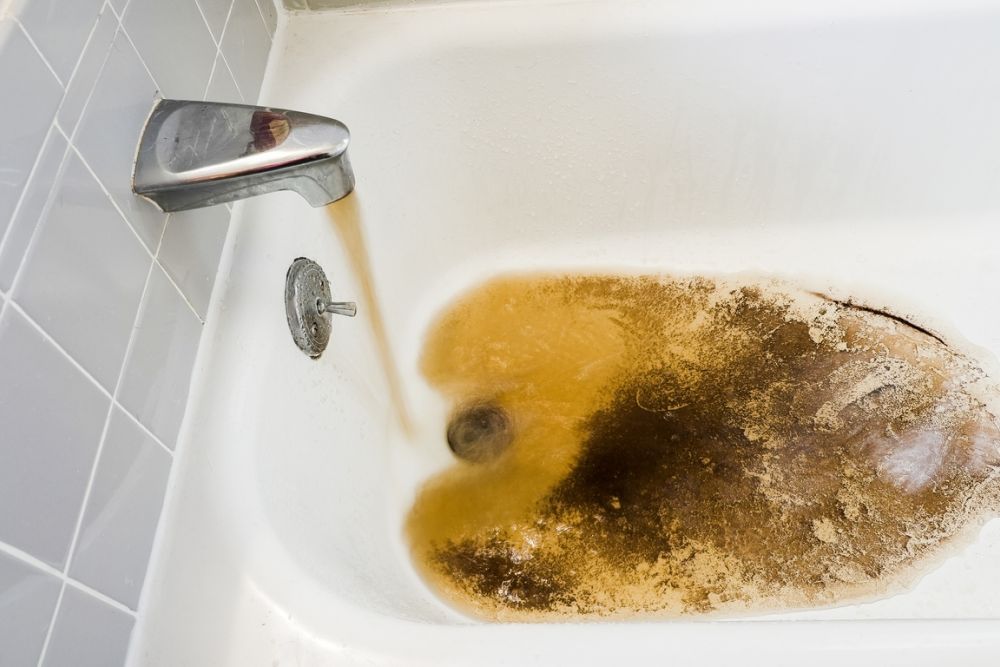
Seeing brown, yellow, or cloudy water come out of the faucet is alarming. Along California’s Central Coast, it often happens when minerals or sediment get stirred up after a water main issue, hydrant flushing, or a sudden shift in water flow.
In this guide, we’ll break down the most common causes of discolored tap water in Santa Barbara and Ventura County, how to narrow down what’s happening in your home, and the dos and don’ts that help prevent stains and plumbing headaches.
First of All, What Is Discolored Water in Your Tap?
Discolored water is water that looks different than normal, even if it still runs and smells “fine.” The color and texture usually give clues about what is happening.
Common ways it shows up include:
- Brown, rust colored, or reddish water: Often iron or rust particles that got stirred up in the main or in older pipes.
- Dark specks or near black particles: Can be manganese minerals, or built-up debris breaking loose.
- Yellow-tinted water: Can be light sediment, aging plumbing, or small amounts of iron.
- Cloudy or milky water that clears in a glass: Often tiny air bubbles, which are usually harmless.
- Blue-green tint: Sometimes linked to copper corrosion, especially in older plumbing (*this one is worth checking out quickly).
*Copper corrosion can lead to pinhole leaks and blue-green staining on sinks and tubs. Rooter Solutions can check whether the discoloration is hot-only or throughout the home, inspect copper lines and fittings, and pinpoint the source before repairing or replacing the affected section.
The Top Causes of Discolored Tap Water in Santa Barbara & Ventura County
Discoloration usually comes from one of two places: the public water system (like a main break or flushing) or your home plumbing (like corrosion or sediment inside your lines).
Iron & Manganese Deposits
In Santa Barbara, rusty brown water or dark specks are often linked to naturally occurring iron and manganese that can break loose inside water mains. The City notes this is a common cause after system changes, and isn’t a sign of a long-term change in water quality.
These minerals are often described as a “cosmetic” issue; however, they can stain sinks, tubs, and laundry. Even low levels can leave marks.
Water Main Disturbances
Even when the water source is fine, sudden pressure shifts can stir up whatever is sitting in older mains. Main breaks, hydrant use, firefighting, scheduled flushing, and construction can all push sediment downstream.
When that happens, you may see sand-like grit, rust flakes, or mineral particles for a short time, especially in cold water first.
Pipe Corrosion & Rust
If the discoloration is only happening at your home, or it keeps returning, your plumbing may be part of the story. Older metal pipes can corrode on the inside. When that corrosion breaks loose, it can turn water yellow-brown and leave stains.
This is common in homes with aging galvanized piping, and it can also show up when water sits in the line overnight and then gets disturbed when you turn the faucet on.
Sediment from Local Sources
Sediment can also build up in faucet aerators, showerheads, and appliance screens. Sometimes the “problem” is really a clogged aerator releasing trapped debris in bursts.
Running your water to clear out sediment can help in mild cases. If your water clears and stays clear, it was likely sediment that worked its way out.
How to Figure Out Why Your Tap Water Is Discolored
A few quick checks can help you pinpoint the source:
- Hot vs. cold: If only hot water is discolored, your water heater is a likely culprit. If hot and cold are both affected, it may be the main line or a street-side disturbance.
- One faucet vs. whole home: One fixture often points to a dirty aerator or a local pipe issue. Whole-home discoloration usually points to the main line or heater.
- What it looks like in a clear glass: If it turns clear after a minute, it is often air bubbles. If particles settle, it is usually sediment or rust.
- Quick reality check: Look for utility alerts and ask a neighbor. If others have it too, it’s often coming from the public system.
If these checks point to a plumbing problem, Rooter Solutions can help, starting with a free visual plumbing inspection.
Murky, Dirty, or Discolored Tap Water: Dos & Don’ts
Sometimes discoloration is just stirred-up minerals or sediment, but until you know the cause and the water runs clear, it is safest to treat it as a “pause and check” situation.
Use the dos and don’ts below to protect your home, avoid stains, and know when it’s time to call Rooter Solutions for a closer look.
Do This
- Run cold water from the lowest faucet in your home at full pressure for 10-20 minutes until clear, flushing sediment from pipes.
- Check utility alerts for scheduled maintenance or main breaks causing temporary discoloration. Your supplier is required to notify you of any potential problems with your drinking water.
- Test water quality if persistent, especially for private wells, to rule out contaminants like lead or bacteria.
- Inspect and clean faucet aerators or showerheads where buildup often hides.
Don’t Do This
- Don’t drink, cook, or use for ice until water runs clear, as particles may stain or carry minor risks.
- Avoid hot water first or doing laundry, since heaters trap and release more sediment, staining fabrics rust-colored.
- Never boil discolored water, as it concentrates minerals rather than purifying.
- Don’t ignore ongoing issues; contact a plumber instead of using chemical cleaners that could worsen corrosion.
Is It Safe to Drink Discolored Tap Water?
This is probably the first question on any homeowner’s mind when they notice their water looks off. Even when discoloration is caused by minerals or sediment, the particles can still be irritating and can stain fixtures and laundry.
That’s why it’s best to avoid drinking it until you are back to clear water. If the color change is paired with a strong odor or ongoing recurrence, it’s a good sign you need to schedule a plumbing inspection.
When Discolored Tap Water Keeps Coming Back
If your water clears after you run it for a while and stays clear, it was likely a short-term disturbance. If it keeps returning, shows up only with hot water, or leaves grit and stains, it’s time for a closer look.
Rooter Solutions, serving Santa Barbara and Ventura County, can pinpoint whether the issue is in your pipes, main line, or water heater, clear built-up sediment, and recommend the right fix. For clear answers and clear water, Rooter Solutions is here to help.
Schedule Plumbing Service With Rooter Solutions in Santa Barbara and Ventura County
If you’re ready to move from “wait and see” to a real plan, we can help. Rooter Solutions Santa Barbara offers camera inspections, water heater checks, and all types of plumbing repairs that address the root cause instead of the symptom. We will explain what we find in plain language and recommend the next step that fits your home. Contact Rooter Solutions to schedule service today.

Written By Rooter Solutions
At Rooter Solutions, we’re driven by a mission to provide exceptional services at competitive rates. We believe that every home or business owner deserves quality work that lasts a lifetime. And we understand that budgets aren’t always ready to take on the full cost of expensive plumbing projects all at once. That’s why we offer convenient, no-interest financing plans to those with qualifying credit—with terms of up to 24 months!
Helpful Answers From the Pros
understand and care for your home’s plumbing.