
Table of Contents

Consider It Solved
Table of Contents
Key Takeaways
- Know the difference between “urgent” and “can wait.” True emergencies involve active water damage, health hazards, lost water service, or rapidly rising repair costs — not just a slow drip or occasional running toilet.
- Time is money (and damage) when it comes to water. Mold can start colonizing damp drywall within 24-48 hours, so a delayed call can turn a simple repair into a full demolition-and-rebuild job.
- Four scenarios warrant an immediate call: a burst/rapidly leaking water line, sewage backing up, multiple fixtures backing up simultaneously (pointing to a main line clog), and a leaking or failing water heater.
- Sewage backup is a health issue, not just a plumbing one. Contaminated water can carry bacteria like E. coli and Salmonella, making it dangerous for kids, older adults, and immunocompromised household members.
- Simple steps can limit damage while waiting for help — knowing your main water shutoff location and keeping people/pets away from contaminated water are the two most actionable pieces of homeowner guidance in the piece.
Some problems really can hold until morning. Others get more expensive and more dangerous with every hour you wait.
At a Glance: What Counts as a Plumbing Emergency
Urgent plumbing issues that warrant an after-hours call tend to share a few traits:
- Active water damage: A burst pipe or overflowing fixture soaks floors, walls, and framing by the minute.
- Health hazards: Sewage backing up into the home carries bacteria and viruses you should stay away from.
- Lost essential service: No water, or no safe water, makes a home hard to live in.
- Rising cost: Water damage and mold spread fast, turning a small repair into a full restoration project.
What Makes a Plumbing Problem an Emergency?
Homeowners often wonder, “Is this a plumbing emergency, or something that can hold until a scheduled visit?” And that’s a fair question, as not every drip qualifies. A slow drip under the sink, a toilet that occasionally runs, a single slow drain—these can usually wait for a scheduled visit. A true emergency is when water is actively damaging your home, when wastewater is somewhere it shouldn’t be, or when you’ve lost water entirely.
Time matters here because water spreads through building materials quickly, and mold can begin colonizing damp drywall and framing within 24 to 48 hours. The longer the water sits, the bigger the repair gets.
Plumbing Emergencies That Can’t Wait Until Morning
These are the plumbing problems that can’t wait, where calling now rather than the next day can change the outcome.
A Burst or Rapidly Leaking Water Line
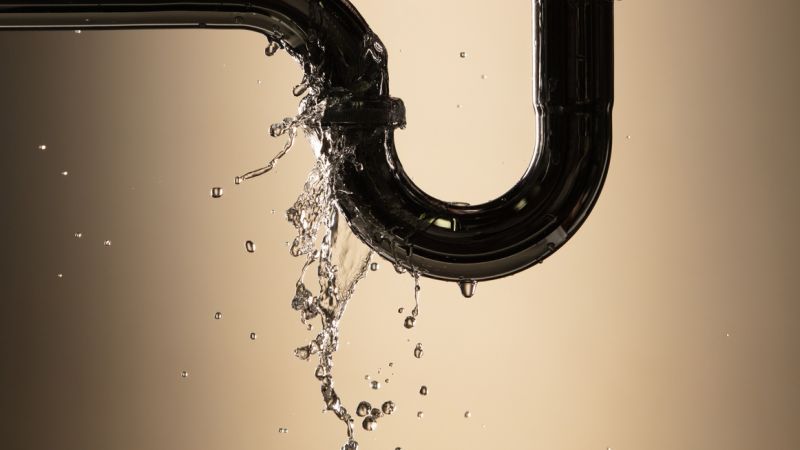
A supply line runs under constant pressure, so a burst pipe or failed fitting can push water into walls, ceilings, and flooring fast. Shut the water off at the main if you can reach it, then call. Catching a burst line early—and getting fast water line repair—can be the difference between drying out a room and rebuilding one. A few clues often show up before a line fails completely:
- Damp spots: Wet patches on walls, ceilings, or floors with no obvious source
- Low pressure: A sudden drop in flow at faucets or showers
- Rising bills: A water bill that climbs without a change in your usage
Any of these can be early signs of a water line leak, worth catching before the line gives out.
Sewage Backing Up Into the House
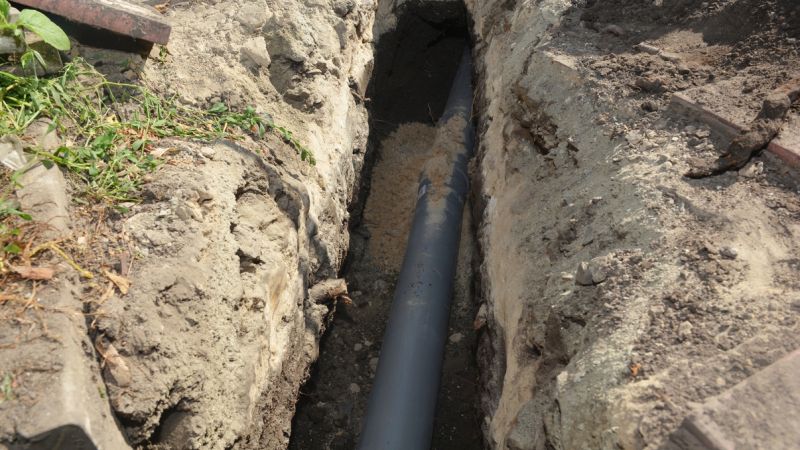
Wastewater coming up through floor drains, tubs, or toilets means the sewer line isn’t carrying waste away from the house. Root intrusion, a collapsed lateral, or a mainline clog are common culprits across the county. When the pipe itself is cracked or collapsed, professional sewer line repair is the fix, while a clog usually just needs clearing.
Raw sewage is a genuine health hazard. The CDC warns that water contaminated with sewage can carry bacteria such as E. coli and Salmonella that cause illness on contact. A sewage backup earns an immediate, hands-off call for a few reasons:
- Contaminated water: It carries bacteria, viruses, and parasites you shouldn’t touch
- Vulnerable household members: Kids, older adults, and immunocompromised people face higher risk
- Fast-spreading damage: Porous materials like carpet and drywall soak it up quickly
Keep people and pets clear of the area, then call right away. Our homeowners’ guide to sewer backups walks through the common causes and how to prevent the next one.
An Overflowing Toilet or Drains That Back Up Together
A single overflowing toilet can often be slowed by closing its shutoff valve. It gets more serious when several fixtures act up at once:
- Multiple backups: Tubs, showers, and toilets overflowing around the same time
- Gurgling drains: Fixtures bubbling when you flush or run water elsewhere
- Lowest-drain first: The floor or shower drain fills before anything else
That pattern points to the main line, and it won’t clear on its own. It usually means the blockage sits downstream of every fixture and needs professional drain cleaning that same night.
A Water Heater That’s Leaking or Failing
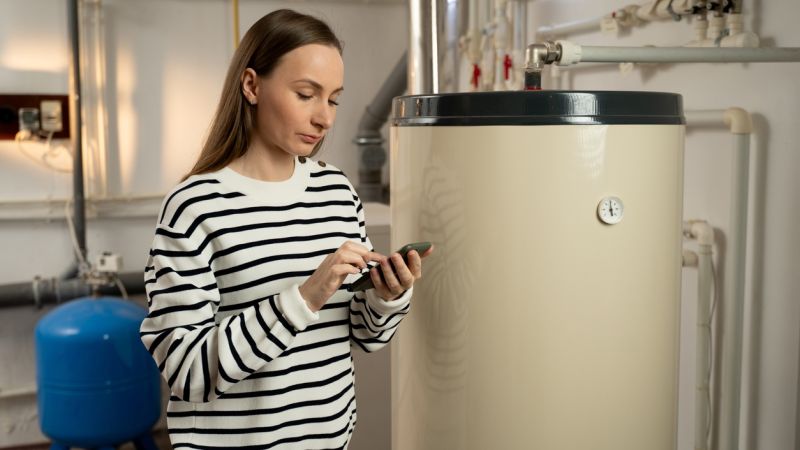
A water heater that’s actively leaking, especially a steady flow from the base of the tank, can flood a garage or closet and soak everything nearby. A few drips from a fitting may hold until morning; a pool of water spreading around the base usually won’t.
On top of the water damage, a failing unit can leave you without hot water for showers, dishes, and laundry, so fast water heater repair is worth the after-hours call.
Why Does Waiting Until Morning Cost More?
Water damage ranks among the most common and costly homeowners’ insurance claims. About one in 60 insured homes files a water damage claim each year, according to the Insurance Information Institute (Triple-I).
The reason waiting hurts comes down to speed. Water wicks into drywall, subfloor, and framing, and mold can take hold within a day or two. What began as a single burst fitting becomes a demolition-and-rebuild job. Acting fast minimizes the damage and repair costs. In older homes, especially, one emergency is often a symptom of a larger pattern, and learning to find hidden leaks helps you catch the next problem before it becomes another midnight call.
Protecting Your Home and Health Until Help Arrives
A few simple steps protect your home while an after-hours plumber is on the way. Knowing where your main water shutoff is and turning it off when a pipe or water heater is flooding stops the water at the source. If sewage has backed up, keep everyone clear of the contaminated area and avoid direct contact with the water. Steps like these buy time and limit the damage until the plumber arrives and can diagnose the problem at its source.
When to Call an Emergency Plumber
Most plumbing problems can wait comfortably for a scheduled appointment. When you’re unsure whether to call an emergency plumber, use the extent of the damage as your guide. The ones on this list — active flooding, sewage in the house, a failing water heater, and a main line that’s backed up — are the ones where every hour matters. Knowing the difference saves you money, protects your home, and keeps your family safe.
Frequently Asked Questions
No. A single slow drain, an occasional running toilet, or a minor drip under the sink can usually wait for a scheduled appointment. It becomes an emergency when water is actively damaging your home, wastewater is somewhere it shouldn’t be, or you’ve lost water service entirely.
Mold can begin colonizing damp drywall and framing within 24 to 48 hours of water exposure. That short window is why a delayed repair often ends up costing far more than an after-hours service call.
If multiple fixtures, like tubs, showers, and toilets, are backing up or gurgling around the same time, the blockage is likely in the main line rather than a single fixture. This needs professional drain cleaning the same night, since it won’t clear on its own.

Written By Rooter Solutions
At Rooter Solutions, we’re driven by a mission to provide exceptional services at competitive rates. We believe that every home or business owner deserves quality work that lasts a lifetime. And we understand that budgets aren’t always ready to take on the full cost of expensive plumbing projects all at once. That’s why we offer convenient, no-interest financing plans to those with qualifying credit—with terms of up to 24 months!
Helpful Answers From the Pros
understand and care for your home’s plumbing.